Desk Emoji: A Designer’s Review for Real Embroidery
When evaluating a new digital asset for my studio, I look beyond the screen preview to imagine how the design will actually behave under the needle. The Desk Emoji design immediately caught my attention as a versatile contender for modern craft business inventories and personalized projects. As an experienced designer, my first impression is that this graphic strikes a balance between playful relatability and clean lines, making it a strong candidate for both custom apparel and functional accessories. The aesthetic feels current without being overly trendy, suggesting it has staying power for Etsy seller listings and boutique merchandise.
First Impressions and Visual Personality
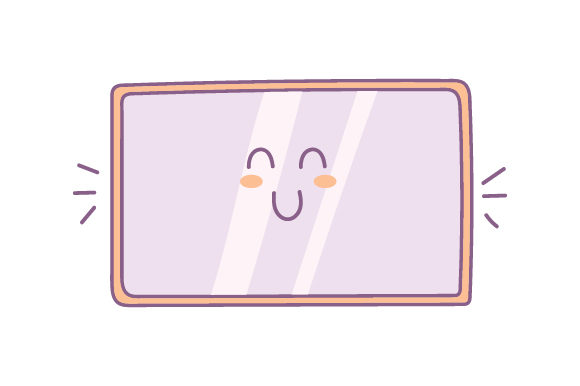
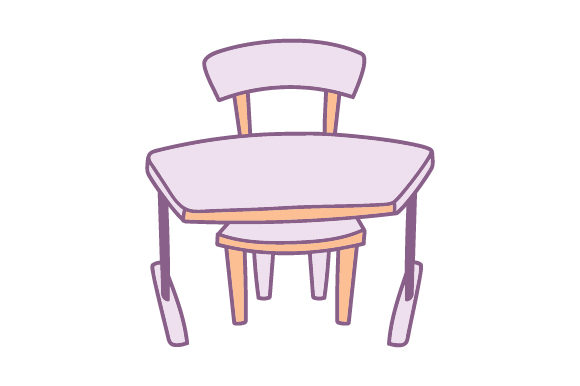
The mood of Desk Emoji is distinctly organized yet approachable. In the world of School Amp themed crafts or office-inspired decor, there is often a risk of designs looking too rigid or corporate. However, this design retains a handmade warmth that translates beautifully into thread. The shape and layout appear balanced, which is critical when converting vector art into a machine embroidery design. Visually, it suggests a personality that is studious but fun, making it ideal for students, teachers, remote workers, or anyone who appreciates stationery culture.
From a technical design perspective, the line work appears confident. For an embroidery project, clarity is everything. If the original artwork is too cluttered, the resulting stitch file becomes dense and stiff. Desk Emoji seems to avoid this pitfall by focusing on recognizable silhouettes rather than excessive shading. This simplicity is a major asset when creating items like an embroidered patch or a small logo on a cap, where detail can easily get lost.
Real-World Application: Stitching a Custom Tote Bag
To truly understand the value of this design, I mentally walked through a recent client request for a personalized teacher appreciation gift. The goal was a canvas tote bag design that felt professional yet personal. Desk Emoji fits this scenario perfectly because it scales well. On a tote bag, you have ample space, allowing the design to breathe. I envision using a combination of satin stitch for the bold outlines and a lighter fill stitch for interior areas to prevent the canvas from becoming too heavy or puckering.
In this real-life case, the choice of thread colors would be pivotal. Because the design represents desk items, using realistic colors (like graphite gray, navy blue, or wood tones) grounds the whimsy in reality. However, for a more stylized handmade product, bright primary colors could make the emoji pop against natural cotton canvas. The versatility here is what makes it a valuable addition to a commercial library; it serves multiple niches without requiring redigitizing.
I also considered how this would translate to sweatshirt embroidery. Fleece and French terry fabrics have texture that can swallow fine details. Desk Emoji’s likely bold geometry means it should remain legible even on napped fabrics. For a personalized gift aimed at a student or creative professional, placing this design on the left chest of a crewneck creates an instant connection. It signals identity and belonging, which drives customer engagement and repeat sales for small shops.
Technical Considerations and Fabric Limitations
While the design shows great promise, practical application requires caution regarding placement and substrate. Not every fabric is suitable for every digital embroidery file. When working with Desk Emoji, I would advise testing carefully on stretchy knits or performance wear. Emojis often contain circular elements, and circles are notoriously difficult to keep round on unstable fabrics. Using the correct stabilizer is non-negotiable here; a cut-away stabilizer would be my recommendation for any knit custom apparel to prevent distortion during washing.
Size is another critical factor. While the provided formats include SVG, EPS, DXF, and Transparent PNG, these are primarily vector and raster image formats, not native stitch files. This means you or your digitizer must interpret the design for embroidery. When resizing down for a baby onesie or a hat front, you must monitor stitch density. Reducing a design too much can cause overlapping stitches to pile up, creating a bulletproof patch that is uncomfortable to wear. Always verify the minimum viable size before committing to a production run of baby embroidery items.
Conversely, if you are enlarging Desk Emoji for a pillow cover or wall hanging, watch out for long jump stitches. Vector graphics do not account for machine travel paths. You may need to manually add trims or adjust the stitch order in your software to ensure the machine doesn't drag thread across open spaces. This step is essential for maintaining a professional finish on larger Crafts projects where the back of the hoop might be visible or touch skin.
Commercial Value and Brand Consistency
For creative entrepreneurs and shop owners, consistency builds trust. Desk Emoji offers a cohesive visual language that can tie together disparate products. Imagine offering a matching set: a notebook sticker (using the PNG), a mug decal (SVG), and an embroidered pencil case. This cross-medium potential increases the perceived value of your brand assets. Customers recognize the motif, reinforcing your shop's identity.
However, a crucial note for sellers: always confirm licensing. Just because you possess the SVG or EPS file does not automatically grant commercial embroidery rights. Before listing a finished product for sale or marketing it as part of your commercial embroidery services, verify that the creator permits derivative stitched goods. Protecting your business starts with respecting intellectual property.
Visually, this design supports high-quality mockups. The included Transparent PNG is excellent for creating printable mockup previews for your online store. Showing customers exactly how Desk Emoji looks on a denim jacket versus a tea towel helps bridge the gap between digital browsing and physical purchase. High-quality presentation reduces return rates and increases buyer confidence.
Designer Notes for Successful Execution
Before running Desk Emoji on a final garment, adhere to these professional best practices:
- Test Stitch First: Never skip the sample. Run the design on scrap fabric that matches your final project’s weight and weave. Check for registration issues between outline and fill.
- Verify File Conversion: Since you receive SVG, EPS, DXF, and PNG, remember these are source art. Ensure your digitizing software imports them cleanly. You may need to redraw nodes for optimal stitch flow.
- Contrast Check: Test the design in grayscale. If the internal details disappear without color, the design relies too heavily on hue. Adjust density or add texture to ensure readability on monochrome fabrics.
- Stabilizer Selection: Match support to fabric. Use tear-away for stable wovens like canvas or denim, and cut-away for knits or stretchy materials used in holiday embroidery or everyday wear.
- Wash Testing: If selling kitchen towels or baby items, wash and dry your test swatch. Emojis with tight satin borders can tunnel after laundering if not properly underlaid.
- Mockup Accuracy: When using the Transparent PNG for marketing, overlay it on photos with realistic lighting and shadows. Flat, floating designs look less premium than integrated visuals.
Ultimately, Desk Emoji represents a solid opportunity for makers who value clean, communicative design. Whether you are producing school amp spirit wear, stocking your Etsy shop with relatable office gear, or crafting a thoughtful personalized gift, success lies in the execution. Treat the source files as a blueprint, apply sound digitizing principles, and respect the limitations of your chosen fabric. By doing so, you transform a simple digital graphic into a tangible, high-value product that resonates with customers and stands up to the rigors of daily use.