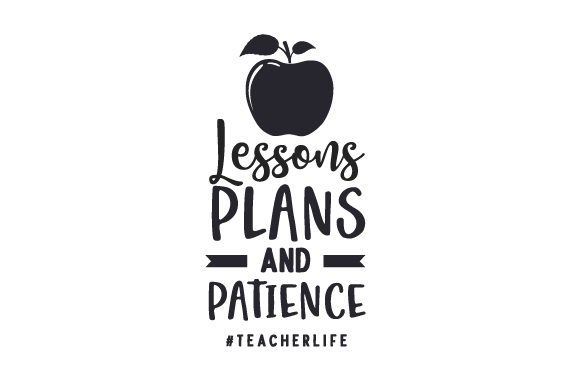
Lessons, Plans Patience Teacherlife Design Review
As a professional embroidery digitizer and product reviewer, I approach every new machine embroidery design with a critical eye toward production viability. When evaluating the "Lessons, Plans Patience teacherlife" asset, my primary focus is not just on the aesthetic appeal of the typography or graphics, but on how this design translates from a digital screen to physical thread. For fellow Etsy sellers, apparel decorators, and makers in the School Amp niche, understanding the technical behavior of this file is essential before committing it to inventory or client projects.
First Impressions and Visual Hierarchy
The initial visual impact of "Lessons, Plans Patience teacherlife" strikes a balance between professional dedication and relatable educator humor. The layout suggests a design that speaks directly to the identity of teachers, making it an excellent candidate for custom apparel and faculty merchandise. From a design perspective, the spacing and weight distribution appear optimized for visibility at medium to large sizes. The phrase itself carries emotional weight, which means the stitching must be clean and legible to convey that sentiment effectively. A muddy or poorly registered stitch out would undermine the heartfelt nature of the message. As a digital embroidery file, the provided SVG, EPS, DXF, and Transparent PNG formats offer versatility for both direct machine use and creating high-quality printable mockups for online listings.
Real-World Application: The Educator Sweatshirt Test
To truly evaluate this design, I mentally place it in a real-life production scenario. Imagine preparing a batch of crewneck sweatshirts for a local school district’s staff appreciation week. This is where "Lessons, Plans Patience teacherlife" needs to perform. Sweatshirt fleece is a textured, stretchy fabric that can be unforgiving. In this context, the design serves as a centerpiece sweatshirt embroidery project. I would position this on the center chest or upper back, ensuring the text remains above the bust line for optimal visibility when worn.
For this specific application, the design’s success hinges on stabilization. Because the theme involves text elements likely rendered in satin stitch or column stitches, using a cutaway stabilizer is non-negotiable to prevent puckering on the knit fabric. If the design includes any intricate icons representing "lessons" or "plans," those details must be bold enough to survive the nap of the fleece. A successful stitch-out here results in a premium handmade product that teachers will actually want to wear outside of the classroom, increasing the perceived value of your craft business.
Technical Considerations for Diverse Substrates
Versatility is key for commercial embroidery profitability. While this design shines on sweatshirts, you may also want to apply it to tote bag design projects or canvas aprons. Canvas provides a stable base, but it is dense. Here, needle selection becomes as important as the embroidery file itself. A sharp needle rather than a universal embroidery needle may be required to pierce heavy canvas without deflecting, ensuring the "patience" lettering stays crisp.
Conversely, caution is advised if attempting to scale this down for smaller items like baby onesies or pocket logos. Without specific confirmation of a resized version optimized for small hoops, reducing a complex text-based design can lead to thread breaks and illegibility. Always verify the minimum safe size. If you intend to create baby embroidery or patches, ensure the stitch density has been adjusted for lighter fabrics to avoid creating a bulletproof patch that distorts the garment. For embroidered patch creation, the design would need a merrowed edge or satin border, so check if the file includes these structural elements or if they must be added manually.
Fabric Texture and Stabilizer Strategy
The interplay between fabric texture and stitch type defines the final quality. "Lessons, Plans Patience teacherlife" likely contains varying stitch types to differentiate words. If there are fill stitch areas used for background shapes or graphical elements, they can sink into high-pile fabrics like terry cloth towels. For kitchen tea towels—a popular holiday embroidery item for teacher gifts—using a water-soluble topping is essential to keep the stitches sitting on top of the loops. This ensures the text remains readable and the design feels professional rather than homemade.
When working with dark fabrics, contrast is paramount. Test your thread colors against the actual garment material, not just a digital preview. White or cream thread on navy fleece offers classic readability, but metallic or variegated threads might get lost in the texture or clash with the serious yet warm tone of the quote. Always run a sew-out on scrap fabric identical to your final product to confirm tension and color harmony before starting bulk production.
Commercial Viability and Brand Consistency
For small shop product lines and Etsy listings, consistency builds trust. Using "Lessons, Plans Patience teacherlife" across multiple products creates a cohesive collection. However, you must ensure the design looks equally intentional on a ceramic mug (via sublimation using the PNG) and on an embroidered hoodie. The inclusion of vector files (SVG/EPS) allows for scalable branding assets, while the transparent PNG facilitates easy integration into website banners and social media marketing.
Before listing any finished item, strictly review the licensing terms associated with this design asset. Confirm whether you have rights for unlimited commercial sales of physical goods or if there are caps on production. Additionally, never resell the digital file itself unless explicitly permitted. Protecting your business means respecting intellectual property while leveraging these tools to create unique value. Professionalism in licensing reflects professionalism in product quality.
Designer Notes for Optimal Results
Based on my evaluation of similar typography-driven educational designs, adhere to these practical guidelines when using "Lessons, Plans Patience teacherlife":
- Test Stitch First: Never assume default settings work for every machine-fabric combination. Run a test on scrap material to check for registration issues between text lines.
- Hoop Size Verification: Measure the design dimensions in your software. Ensure you have adequate clearance in your hoop; tight hooping causes distortion, especially in text-heavy designs.
- Stabilizer Matching: Use cutaway for knits and stretch fabrics, tear-away for stable wovens, and wash-away toppers for textured surfaces. Do not skip stabilizer to save cost; it compromises the personalized gift quality.
- Mockup Accuracy: Utilize the transparent PNG to create realistic previews. Show customers exactly how the placement looks on a sweatshirt versus a tote bag to reduce return rates.
- Detail Inspection: Zoom in on the smallest text elements in your embroidery software. If serifs or internal counters are smaller than 1mm, consider simplifying the design or increasing size to prevent thread nests.
- Wash Testing: If selling custom apparel intended for frequent laundering, wash and dry your test sample three times. This reveals long-term durability and stabilizer residue issues that a fresh sew-out hides.
Final Assessment for Makers
"Lessons, Plans Patience teacherlife" represents a strong opportunity for creators targeting the education market. Its thematic resonance makes it highly giftable and commercially relevant for back-to-school seasons, teacher appreciation weeks, and retirement celebrations. By treating this embroidery project with technical respect—validating stitch integrity, choosing appropriate substrates, and testing thoroughly—you transform a digital download into a tangible, high-value product. Whether you are crafting a single personalized gift for a favorite mentor or building a seasonal collection for your boutique, success lies in the execution. Trust your hands-on testing over digital assumptions, and let the quality of your craftsmanship honor the sentiment of the design.