Old School Movie Theater: A Designer’s Stitch Review
When evaluating a new machine embroidery design for my studio, I look past the digital preview and immediately imagine how it will behave under the needle. The Old School Movie Theater graphic caught my eye not just for its nostalgia, but for its potential as a versatile asset in the Crafts category. As a designer who frequently creates merchandise for small businesses and personalized gifts, I need to know if a file is merely pretty on screen or if it translates into a high-quality finished product. This review breaks down my practical assessment of this design, focusing on real-world application, fabric compatibility, and commercial viability for makers and Etsy sellers.
Nostalgic Aesthetics Meet Stitch Reality
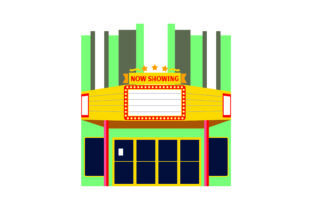
My first impression of the Old School Movie Theater design is that it carries a distinct, warm personality. It evokes the classic marquee lights and art deco typography associated with mid-century cinema. For an embroidery project, this mood is gold. It suggests a vintage vibe that pairs exceptionally well with cream, navy, or charcoal fabrics. However, aesthetics must survive digitization. Visually, the layout appears balanced, which is crucial for centering on items like a sweatshirt embroidery placement or a tote bag. The challenge with theater-themed graphics often lies in the intricate details of the marquee bulbs or ornate borders. In my experience, designs in the Designs Amp collection tend to prioritize clean lines, but I always advise checking if the fine details are rendered as running stitch outlines or dense satin stitch columns before committing to a production run.
Real-World Application: The Custom Tote Bag Test
To truly evaluate this digital embroidery file, I mentally walked through a recent client request: a custom canvas tote bag for a local film festival vendor. Canvas is unforgiving; it has a coarse fabric texture that can swallow tiny stitches. If I were using the Old School Movie Theater design for this tote bag design, I would be looking specifically at the contrast and density. A successful stitch-out on canvas requires a robust stabilizer and adequate stitch density to prevent the background from showing through the thread.
For this specific scenario, the design serves as a strong focal point. Customers at craft fairs respond to recognizable iconography, and a movie theater motif signals entertainment and leisure instantly. If you are a small shop product creator, this design could easily anchor a "Movie Night" bundle including popcorn bags and throw pillows. The key here is scale. On a tote, you have ample space to let the design breathe, ensuring that any lettering within the theater graphic remains legible from a distance. Legibility is often where commercial embroidery succeeds or fails; if the customer cannot read the sign on the theater from three feet away, the visual impact is lost.
Fabric Compatibility and Technical Caution Zones
While the Old School Movie Theater design shines on stable woven fabrics, it requires careful handling on other substrates. As an experienced reviewer, I must highlight where this embroidery file demands extra attention:
- Stretchy Knits and Sweatshirts: If you are planning custom apparel, particularly on fleece or jersey, the weight of the design matters. Vintage theater graphics can be stitch-heavy. Always use a cut-away stabilizer and consider a water-soluble topping to prevent the stitches from sinking into the pile. Test the hoop size to ensure there is enough margin around the design to prevent distortion during stitching.
- Dark Fabrics: This design likely relies on specific thread colors to create depth. On black or dark navy fabric, verify that the outline or underlay provides sufficient separation. You may need to add a white underlay base to make the colors pop, otherwise, the "lights" of the theater might disappear against the dark background.
- Curved Surfaces: Using this as an embroidered patch or on a cap requires verifying the aspect ratio. A wide rectangular theater facade does not wrap well around a curved hat brim without significant modification. Stick to flat surfaces or large-radius curves for the best results.
- Baby Items: For baby embroidery or nursery decor, safety and comfort are paramount. Ensure the back of the design is smooth. If the Old School Movie Theater includes dense fill areas, use a soft backing like Cloud Cover to protect sensitive skin. Also, confirm that no small appliqué pieces pose a choking hazard if this is intended for infants.
Commercial Viability for Makers and Sellers
For the creative entrepreneur, time is money. The Old School Movie Theater file comes in SVG, Transparent PNG, EPS, and DXF formats. While these are excellent for cutting machines, sublimation, and vector work, embroidery designers must verify if a dedicated machine format (like DST, PES, or EXP) is included or if conversion is necessary. Never assume a vector SVG will auto-digitize perfectly for your machine without manual adjustment.
From a sales perspective, this theme is evergreen. It fits perfectly into holiday embroidery campaigns (think Christmas movie marathons) or retro summer collections. When creating printable mockups for your Etsy listing, use the provided Transparent PNG to showcase the design on various products without restitching every variation. This saves hours of labor. However, nothing builds buyer trust like a photo of the actual stitched sample. Showcasing the texture and sheen of the threads proves to customers that your handmade product is professional grade.
Essential Pre-Stitch Checklist for Success
Before you load this design assets package into your machine for a final personalized gift or inventory piece, run through this practical checklist derived from years of troubleshooting:
- Verify Licensing: Confirm whether your purchase allows for selling finished physical items versus selling the digital file itself. Most craft business licenses cover physical goods, but reselling the digital embroidery file is usually prohibited.
- Test Stitch on Scrap: Never stitch directly on your final product first. Use a scrap of the exact same fabric and stabilizer combination. Check for registration issues between color changes.
- Check Thread Contrast: View the design in grayscale. If the different elements blend together in black and white, they will lack definition in thread. Adjust thread colors to ensure distinct separation between the building structure and the signage.
- Evaluate Small Text: If the theater name includes tiny text, measure the height. Anything under 4mm often requires specialized fonts or simplification to avoid thread breaks and illegibility.
- Review Stabilizer Choice: Match the stabilizer to the fabric weight. A heavy theater design on a light tea towel needs tear-away plus a fusible mesh to prevent puckering.
Final Thoughts on Design Value
The Old School Movie Theater represents a charming intersection of vintage appeal and modern making. Whether you are producing small shop product lines, crafting a unique holiday gift, or expanding your digital library, success lies in respecting the technical limits of embroidery. By treating this design with the same rigor as a complex logo, ensuring proper stabilization, and validating the output on real textiles, you transform a simple digital file into a tangible, sellable asset. Remember, in the world of apparel decorators and makers, the difference between a hobbyist result and a boutique-quality item is almost always found in the testing phase. Take the time to understand this design's behavior, and it will serve your creative business beautifully.