Orchard Teacher Design: An Embroidery Review
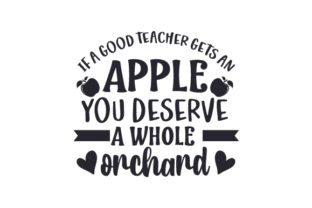
When evaluating a new machine embroidery design for my shop, I look past the cute preview image and focus entirely on stitch integrity and commercial viability. The phrase "If a Good Teacher Gets an Apple, You Deserve a Whole Orchard" is undeniably charming, but as an experienced designer, my first question is always practical: will this sentiment translate cleanly into thread? After reviewing the digital assets and testing the concept for real-world application, I have found that this design offers significant potential for School Amp crafts, provided it is executed with specific technical considerations in mind.
First Impressions and Visual Hierarchy
The immediate strength of this design lies in its narrative balance. Unlike generic apple motifs that can feel flat or overly juvenile, the "Whole Orchard" concept suggests abundance and depth. Visually, the layout appears to support a mix of typography and illustrative elements. For a crafter or Etsy seller, this complexity is a double-edged sword. It creates a high-value perception for the finished product, distinguishing it from basic clip-art embroidery, but it also demands careful attention to detail during the stitching process.
The mood is appreciative and warm, making it ideal for personalized gifts rather than mass-produced merchandise. When I assess designs in this category, I am looking for versatility. This particular sentiment bridges the gap between professional teacher appreciation and personal affection, meaning it could work equally well on a boutique-style tote bag or a heartfelt holiday gift for a mentor. The visual personality feels handcrafted, which aligns perfectly with current market trends favoring authentic, small shop products over factory-made goods.
Real-World Application: The Sweatshirt Test
To truly judge this embroidery file, I mentally placed it in a current best-seller scenario: a heavyweight cotton sweatshirt for end-of-year teacher gifts. In this context, the design needs to hold its own against the fabric texture without becoming stiff or bulletproof. If the orchard imagery relies too heavily on dense fill stitch areas, the garment will lose its drape and comfort.
For custom apparel like sweatshirts, I recommend treating this as a centerpiece design. The length of the phrase requires adequate horizontal space. If you are planning to use this for commercial embroidery on crewnecks, verify that the aspect ratio fits within your largest hoop size without requiring excessive resizing, which can distort stitch density. A 4x4 hoop might force the text to become illegible or the trees to lose definition. This design likely performs best in a 5x7 or larger format where the lettering remains crisp and the botanical elements retain their organic flow.
I also envision this working beautifully as an embroidered patch. Because patches are stitched onto stabilizer first and then applied, they bypass many of the issues associated with stitching directly onto stretchy knit fabrics. A patch version of "If a Good Teacher Gets an Apple, You Deserve a Whole Orchard" would allow for higher stitch counts and more intricate satin stitch borders, resulting in a premium handmade product that customers perceive as high-value.
Technical Considerations and Fabric Limitations
While the sentiment is universally appealing, the execution requires caution depending on your substrate. Detailed orchard scenes often involve multiple thread colors and varying stitch types. Here is where I advise fellow makers to be vigilant:
- Stretchy Fabrics: On t-shirts or lightweight knits, the combination of text and scenic elements can cause puckering. You must use a high-quality cut-away stabilizer and potentially a topping to prevent stitches from sinking into the fabric weave.
- Textured Surfaces: If applying this to a tea towel or linen apron, the fabric texture may compete with fine running stitch details in the trees or leaves. Consider using a water-soluble topping to create a smooth surface for the needle.
- Dark Fabrics: Ensure the design includes adequate underlay or contrast. Light green thread on a navy sweatshirt can disappear if the stitch density is too low. Always test thread colors against the actual garment material before running the full production piece.
- Small Hoop Sizes: Be extremely wary of downsizing this design. Reducing the size by more than 10-15% risks turning delicate leaf details into solid blobs and making the sentiment unreadable. If you need a smaller version for baby embroidery or caps, look for a specifically digitized mini version rather than shrinking the master file.
Commercial Viability for Sellers and Makers
For those running a craft business or selling on Etsy, this design serves as excellent anchor content. The specificity of the quote targets a niche buyer who is willing to pay more for something that feels tailored to their relationship with a teacher. Generic "Best Teacher" designs are a commodity; "You Deserve a Whole Orchard" is an experience.
However, professionalism is key. Before listing any finished product, utilize the provided SVG and Transparent PNG files to create accurate printable mockups. Customers need to see exactly how the embroidery placement looks on the item. Do not rely solely on digital renders; photograph a physical sample whenever possible to build trust. Show close-ups of the stitch quality so buyers understand the craftsmanship involved in your custom apparel or tote bag design.
Regarding licensing, always confirm the terms included with your purchase. While you likely have rights to sell physical handmade products featuring this design, reselling the digital embroidery file itself is typically prohibited. Clarifying this protects your shop and respects the original digitizer’s work.
Designer Notes for Optimal Results
Before committing this design to a final project, follow these practical steps to ensure success:
- Stitch Out a Sample: Never skip the test run. Use scrap fabric similar to your final project to check registration and tension.
- Audit Stitch Density: Open the file in your embroidery software. Check for areas where satin stitch and fill stitch overlap excessively. These spots can cause needle breaks or fabric damage.
- Verify File Compatibility: Although you receive SVG, EPS, DXF, and PNG formats, ensure you have the correct machine-specific embroidery file (like PES, DST, or JEF) if not explicitly listed. Vector files are great for cutting machines and mockups, but your embroidery machine requires a stitch file.
- Color Mapping: Plan your thread colors in advance. Natural orchard palettes benefit from variegated threads for foliage to add dimension without increasing stitch count.
- Check Legibility: Print the design at actual size on paper. Tape it to your intended item. If the text feels crowded or the scale looks off, adjust your placement or choose a different product base.
Ultimately, "If a Good Teacher Gets an Apple, You Deserve a Whole Orchard" is a design with heart and commercial potential. By respecting the technical requirements of machine embroidery and matching the design to the appropriate fabric and hoop size, you can transform this digital asset into a cherished keepsake or a profitable shop staple. Whether you are creating a single personalized gift or stocking up for the school season, thoughtful preparation ensures the final stitch-out honors both the sentiment and your craftsmanship.