Organization Makes Things Easier: Design Review
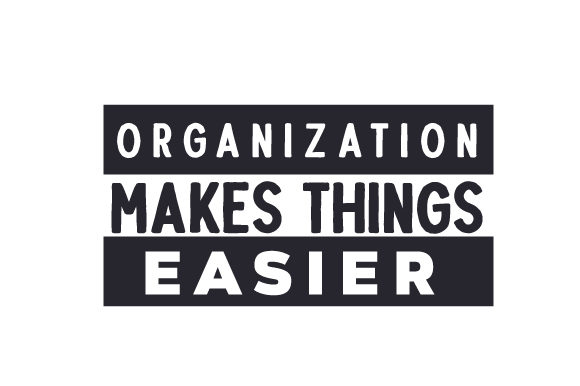
As a professional embroidery designer and product reviewer, I approach every new digital asset with a critical eye. When evaluating Organization Makes Things Easier, my primary concern is not just the aesthetic appeal of the graphic, but its functional viability as a machine embroidery design. This title suggests structure, clarity, and utility, which immediately signals that this artwork belongs in projects where legibility and clean lines are paramount. For crafters, Etsy sellers, and small business owners, understanding how this specific design translates from a digital SVG or PNG file to actual thread on fabric is the difference between a polished finished product and a frustrating production error.
First Impressions and Visual Hierarchy
Upon opening the provided files, including the transparent PNG and EPS formats, the first thing I assess is the visual weight. A design centered on the concept of organization cannot look cluttered once stitched. The layout of Organization Makes Things Easier appears balanced, suggesting it will serve well as a focal point rather than a background element. In the context of School Amp merchandise or general Crafts, this type of phrasing often relies heavily on typography. From a digitizing perspective, this means we must be vigilant about letter height and spacing. If the text elements are too thin, they risk disappearing into the fabric texture; if they are too dense, they can cause puckering on lighter materials. The vector nature of the included DXF and EPS files is a significant advantage here, allowing for precise scaling before you ever commit to stitching.
Real-World Application: The Custom Tote Bag Test
To truly evaluate this design, I mentally placed it in a real-life scenario: creating a custom canvas tote bag for a teacher appreciation gift or a boutique organizational product. Tote bags are a staple for any craft business because they offer a flat, stable surface ideal for testing stitch density. When applying Organization Makes Things Easier to unbleached canvas, the contrast becomes the defining factor. Because the design likely features structured elements, using a high-contrast thread color against the natural fabric is essential for readability.
In this scenario, I would treat this as a potential applique design opportunity if the lettering or shapes are bold enough. Appliqué reduces stitch count significantly compared to full fill stitches, keeping the tote bag lightweight and flexible. However, if the design utilizes intricate satin stitch borders or detailed running stitch accents, I would advise against using heavy-weight canvas unless you have adjusted the pull compensation. For a personalized gift in this category, the goal is a smooth finish that feels professional to the touch. A rough, overly dense stitch-out on a tote bag screams "amateur," whereas a well-executed version of this design communicates the very organization it advertises.
Fabric Compatibility and Stabilization Strategy
Not all fabrics respect the message of organization. When planning to use Organization Makes Things Easier on apparel like sweatshirts or t-shirts, fabric choice dictates your success. Stretchy knits are notoriously difficult for structured designs. If this design contains rigid geometric lines or block lettering, placing it on a ribbed knit or a highly elastic jersey without proper stabilization will result in distortion. The design may look perfect in your software, but on the garment, the letters could warp, undermining the theme of orderliness.
For custom apparel, I recommend testing on scrap fabric identical to your final project. Use a cut-away stabilizer for stretchy items to maintain the integrity of the design shape over time. Conversely, if you are applying this to woven cotton for a tea towel or pillow cover, a tear-away stabilizer might suffice, provided the stitch density isn't excessive. Always check the transparency of the PNG file to ensure there are no hidden artifacts that your machine might interpret as stitches, especially when working with dark fabrics where white underlay is necessary. Speaking of dark fabrics, ensure your thread colors provide sufficient contrast; a navy design on a black sweatshirt will get lost, regardless of how beautiful the digitization is.
Commercial Viability for Makers and Sellers
For Etsy sellers and handmade shop owners, Organization Makes Things Easier offers versatile commercial potential, but only if executed with market awareness. This phrase resonates deeply with niche audiences: teachers, office workers, parents, and planners. As a digital embroidery file, its value lies in its adaptability. Before listing a small shop product featuring this design, consider the end user. Is this for a baby item? If so, verify that the stitch texture is soft and safe. Is it for an embroidered patch? Ensure the border is secure and the details remain distinct at smaller sizes.
When creating printable mockups for your online listings, do not rely solely on digital renders. Photograph a physical sample. Customers trust handmade products more when they can see actual thread texture and placement. Show the design on multiple substrates—a cap, an apron, and a notebook cover—to demonstrate versatility. However, be honest about limitations. If the design loses clarity below a certain size, state that clearly in your product description. Professionalism builds buyer engagement. Furthermore, always confirm your licensing rights. Just because you purchased the SVG or DXF file does not automatically grant unlimited commercial reproduction rights for digital resale. Protect your business by verifying terms before selling design assets or finished goods.
Technical Considerations and Designer Notes
Before you hoop up for a full production run, take these practical steps to ensure Organization Makes Things Easier performs as intended:
- Verify Hoop Size: Measure the design dimensions in your software. Never assume it fits your standard 4x4 or 5x7 hoop without checking. Resizing can alter stitch properties, so test after any adjustment.
- Check Small Details: If the design includes tiny text or fine lines, inspect them closely. Running stitches thinner than 1mm may break or sink into textured fabrics. Consider widening these elements if you plan to embroider on fleece or terry cloth.
- Test Colorways: Create a black and white mockup to check value contrast. Sometimes a design looks great in color but fails in grayscale, indicating poor definition.
- Stabilizer Matching: Match your stabilizer weight to the design density, not just the fabric type. A dense logo needs heavier support than a sparse outline.
- Wash Testing: If selling items meant for frequent laundering, like kitchen towels or baby clothes, wash your test swatch. Organization implies durability; a design that frays after one wash damages customer trust.
Elevating the Finished Product
Ultimately, Organization Makes Things Easier is more than a clever saying; it is a promise to the end user. Whether you are creating holiday embroidery gifts, branding for a craft business, or personalized school supplies, the execution must reflect the sentiment. A messy stitch-out contradicts the message. By taking the time to understand the interplay between this specific digital file and your chosen materials, you elevate your work from simple crafting to professional textile design. Remember to utilize the SVG and EPS formats for crisp resizing, leverage the transparent PNG for accurate placement previews, and always prioritize real-world testing over theoretical perfection. Your attention to these details is what transforms a digital download into a cherished, tangible product that customers will value and trust.