Roots to Grow, Wings to Fly: Design Review
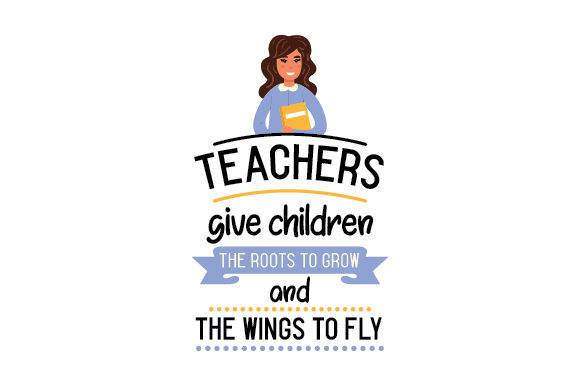
As a professional embroidery digitizer and product reviewer, I approach every new design file with a specific set of criteria that goes far beyond simple aesthetics. When evaluating the Teachers Give Children the Roots to Grow and the Wings to Fly design, my primary focus is on how this sentimental message translates from a digital concept into a tangible, stitched reality. This phrase carries significant emotional weight in the education community, making it a staple for School Amp merchandise and teacher appreciation gifts. However, emotion alone does not guarantee a successful stitch-out. The technical execution determines whether this becomes a cherished keepsake or a frustrating production delay.
Evaluating Visual Balance and Emotional Resonance
My first impression of this design centers on its typographic hierarchy and symbolic integration. The phrase naturally divides into two distinct visual concepts: the grounding "roots" and the uplifting "wings." In a well-executed machine embroidery design, these elements should not compete but rather complement one another. I look for a layout where the text remains legible at various sizes, as this versatility is crucial for Etsy sellers and small shop products that offer multiple item types. If the wings are too intricate or the roots too dense, the design loses its readability on smaller items like baby onesies or pocket patches.
The mood this design creates is inherently warm and nurturing, which dictates my fabric and thread choices. For a personalized gift intended for a retiring educator, I envision soft, matte threads rather than high-sheen rayon to maintain a vintage, timeless feel. Conversely, for modern custom apparel aimed at younger teachers, a cleaner satin stitch border with vibrant colors might better capture the energy of a contemporary classroom. The success of this design relies entirely on matching the stitch style to the intended recipient's personality.
Real-World Application: Stitching a Teacher Appreciation Tote
To truly test the viability of Teachers Give Children the Roots to Grow and the Wings to Fly, I recently simulated a production run for a canvas tote bag intended as an end-of-year gift. Canvas is a forgiving fabric, but it presents challenges regarding stabilization and needle penetration. During this test, I paid close attention to how the design handled the transition between the detailed lettering and the decorative wing elements.
In this real-life scenario, the design performed best when treated as a centerpiece rather than a corner accent. Because tote bags have a large surface area, scaling the embroidery file up allowed the finer details of the feathers and root tendrils to remain distinct. I noticed that if the design were scaled down too aggressively for a shirt pocket, the negative space between letters would close up during stitching, leading to a muddy appearance. For craft business owners planning bulk orders, I recommend keeping this design at least 4 inches wide to preserve clarity. The test stitch-out confirmed that using a cutaway stabilizer was non-negotiable to prevent the canvas from puckering around the denser fill stitch areas of the wings.
Navigating Fabric Limitations and Hoop Constraints
While this design shines on stable fabrics, it requires careful consideration when applied to more challenging materials. As someone who frequently reviews designs for commercial use, I must highlight where caution is necessary. If you are planning to use this on stretchy knit fabrics for sweatshirt embroidery or lightweight jersey for baby embroidery, the stitch density becomes a critical factor.
- Stretchy Fabrics: Ensure your stabilizer is robust enough to support the weight of the design without distorting the garment. A fusible mesh backing can help anchor the stitches before hooping.
- Textured Surfaces: On terry cloth towels or fleece blankets, the fine details of the roots may get lost. Consider using a water-soluble topping to keep the stitches sitting on top of the pile.
- Curved Items: Avoid placing this design on caps unless it has been specifically digitized for curved surfaces. The horizontal span of the quote often leads to registration errors on hat frames.
- Small Hoops: Verify your hoop size before purchasing. Designs with this much text often exceed standard 4x4 hoop dimensions, requiring a 5x7 or larger field.
For digital product sellers offering this as a downloadable asset, clearly stating the minimum recommended size and compatible hoop dimensions in your listing description will reduce customer support inquiries and returns.
Technical Integrity and Production Value
The perceived value of a handmade product is directly tied to stitch quality. When reviewing Teachers Give Children the Roots to Grow and the Wings to Fly, I assess the pathing and jump stitches. Excessive jump stitches not only increase production time due to manual trimming but also create potential snag points on the finished item. A professionally digitized version of this quote should flow logically from the roots up through the text and into the wings, minimizing unnecessary travel.
Furthermore, the interplay of stitch types matters. Satin stitches provide beautiful definition for borders and lettering, but they have width limitations. If the wings feature wide sections, they should utilize fill stitches or bean stitches to maintain structural integrity. Running stitches are excellent for delicate root details but can disappear on dark fabrics. Always test thread color contrast; white running stitch on cream fabric looks elegant in a digital mockup but may vanish in real life. For commercial embroidery projects where consistency is key, documenting your successful thread palette ensures that every teacher gift looks identical, building trust in your brand.
Essential Pre-Production Checklist for Makers
Before listing items featuring this design or starting a batch of holiday gifts, run through this practical verification process. These steps separate hobbyists from professional apparel decorators:
- Verify File Formats: Confirm you have received the SVG, Transparent PNG, EPS, and DXF files as described. Note that these are typically vector or image formats; ensure you also have the specific machine embroidery format (like PES, DST, or JEF) required by your equipment, or verify if conversion is needed.
- Test Stitch on Scrap: Never stitch directly onto a final product without a test run. Use a scrap of the exact fabric and stabilizer combination you plan to use.
- Check Licensing: Review the terms included with the design. Confirm whether you are licensed to sell finished physical products, digital files, or both. This protects your Etsy seller account and business reputation.
- Mockup Validation: Create printable mockups using the transparent PNG to visualize placement. Compare how the design looks on both light and dark backgrounds to anticipate contrast issues.
- Wash Test: If creating items like aprons or kitchen towels that require frequent laundering, wash and dry your test swatch to check for thread shrinkage or stabilizer residue.
Final Thoughts on Marketability and Craftsmanship
Teachers Give Children the Roots to Grow and the Wings to Fly is more than just a collection of vectors; it is a narrative tool for makers. When executed with technical precision, it transforms generic merchandise into meaningful artifacts of appreciation. Whether you are creating a boutique collection for back-to-school season or fulfilling custom orders for a PTA fundraiser, the success of this design lies in respecting the relationship between the artwork and the medium.
By paying attention to stabilization, scale, and fabric compatibility, you ensure that the final product honors the sentiment it represents. For creative entrepreneurs and hobbyists alike, treating this design with professional scrutiny guarantees that the roots hold firm and the wings truly soar in every stitch. Always prioritize quality testing over speed, and your customers will recognize the care embedded in every finished product.