Chicken Reading a Book: An Embroidery Design Review
As an embroidery designer and product reviewer, I approach every new digital asset with a critical eye. It is not enough for a graphic to look charming on a screen; it must translate effectively into thread, fabric, and finished goods. When evaluating the Chicken Reading a Book design, my primary focus is on its versatility across different mediums and its structural integrity as a machine embroidery design. This motif sits squarely within the School Amp and Crafts categories, suggesting a whimsical, educational, or cozy aesthetic that appeals to a wide demographic of makers and small business owners.
First Impressions and Visual Personality
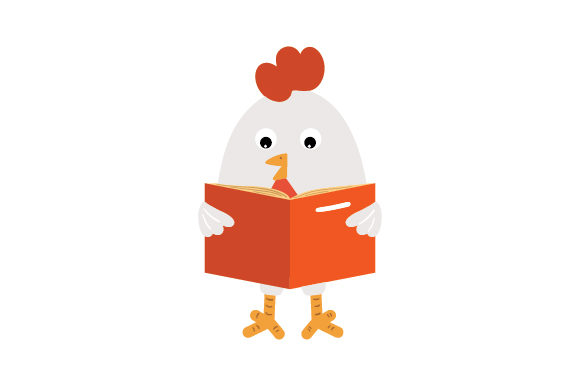
The immediate appeal of this chicken reading a book lies in its narrative quality. Unlike generic farm animal clipart, this design tells a story. The posture of the chicken and the presence of the book create a focal point that feels intentional rather than decorative. For an Etsy seller or creative entrepreneur, this distinction matters. Customers are drawn to items that evoke a feeling—in this case, curiosity, literacy, and comfort. The layout appears balanced, which is crucial when centering the design on apparel or home goods. However, before loading this embroidery file into my machine, I always assess the line weight and detail separation. A design meant for crafts needs clear definition so that the book and the chicken remain distinct entities once stitched out, rather than blending into a muddy shape.
Real-World Application: The Teacher Tote Bag Test
To truly understand the value of Chicken Reading a Book, I mentally place it in a specific production scenario. Consider creating a custom embroidered tote bag for a librarian, teacher, or homeschool parent. This is a high-value personalized gift niche. Canvas tote bags provide a stable foundation, but they also demand durability. In this context, the design serves as more than just decoration; it acts as professional branding for the recipient.
When stitching this onto canvas, I would treat it as a potential applique design if the file supports it, or utilize dense fill stitch areas for the book cover to create texture contrast against the feathers. The "reading" aspect makes it perfect for back-to-school merchandise or holiday embroidery gifts for educators. As a small shop product, this item has high perceived value because it targets a specific passion. If you are selling finished products, photographing this tote in natural light with actual books nearby enhances the handmade presentation and buyer engagement. The design’s theme naturally bridges the gap between cute nursery decor and adult-appropriate accessories, expanding your potential customer base.
Fabric Compatibility and Placement Strategy
While the Chicken Reading a Book motif is versatile, it requires thoughtful placement depending on the substrate. Not all fabrics accept detailed graphics equally well.
- Sweatshirt Embroidery: Fleece and French terry are popular choices for this design. However, these fabrics have pile that can swallow fine details. You must use adequate stabilizer and potentially a water-soluble topping to keep the stitches crisp. The design works best on the chest or upper sleeve where the fabric is relatively flat.
- Baby Embroidery: Onesies and bibs offer limited space. Ensure your hoop size accommodates the full design without distortion. Because baby clothes undergo frequent washing, check the stitch density. Overly dense areas can make the garment stiff and uncomfortable, while sparse running stitch outlines may fray over time.
- Kitchen Towels and Aprons: These are ideal canvases for this theme. The cotton weave holds satin stitch borders beautifully. Just be mindful of textured waffle-weave towels, as the uneven surface can cause registration issues with complex multi-color designs.
- Caps and Curved Surfaces: Use extreme caution here. Unless the Chicken Reading a Book file is specifically digitized for caps (with proper pull compensation and sequencing), the curved surface may distort the rectangular shape of the book. Always test on a scrap cap first.
Technical Considerations for Commercial Success
For those using this as a commercial embroidery asset, technical execution defines your brand's professionalism. The provided formats—SVG, Transparent PNG, EPS, and DXF—are excellent for printables, mockups, and laser cutting, but they require verification for needle-and-thread applications. If you are purchasing this as a digital embroidery file specifically for machine use, confirm that the stitch data is intact and compatible with your equipment. Vector files like SVG and EPS do not inherently contain stitch paths; they are shapes. Ensure you have the correct embroidery-specific format (like DST, PES, or JEF) or plan to digitize the vector art yourself.
Stitch density is another critical factor. When reviewing this design for my own production line, I look for efficient pathing. Does the machine jump excessively between the chicken and the book? Excessive trims slow down production and increase the risk of thread nests. For a craft business focused on efficiency, a well-digitized version of Chicken Reading a Book should minimize jumps and maximize continuous stitching runs. Additionally, verify thread colors against your inventory. A design requiring twelve specific shades might be beautiful but impractical for bulk custom apparel orders. Simplifying the color palette can often improve the vintage or retro charm of the piece while reducing production costs.
Navigating Limitations and Quality Control
Even the most charming design has limitations. Dark fabrics present a challenge for Chicken Reading a Book if the design relies on light-colored outlines or subtle shading. On black or navy sweatshirts, you may need to add a white underlay or modify the outline color to ensure visibility. Conversely, on sheer or lightweight fabrics, the weight of the embroidery might cause sagging. In such cases, this design might be better suited as an embroidered patch that is sewn onto the garment later, distributing the stress more evenly.
I also advise testing the design in a printable mockup before committing to physical samples. Use the transparent PNG to visualize placement on various products. Does the chicken look too small on a large pillow cover? Is the book detail lost on a tiny baby hat? Digital previews save time and materials. Furthermore, always review licensing terms. Just because you possess the SVG or EPS file does not automatically grant rights to sell unlimited finished products or redistribute the digital embroidery file. Respecting intellectual property builds trust within the maker community and protects your business from legal issues.
Elevating the Finished Product
Ultimately, Chicken Reading a Book succeeds because it connects emotionally with the end user. Whether you are making a holiday gift for a grandmother who loves chickens and mysteries, or stocking your Etsy shop with unique school-themed gear, the execution determines the outcome. Pay attention to the interplay of thread sheen and fabric texture. Matte threads on shiny satin create a different mood than rayon on linen. These subtle choices transform a standard embroidery project into a premium handmade product.
Before listing any item featuring this design, wash-test a sample. Customer trust hinges on durability. If the book corners curl after one laundry cycle, adjust your stabilizer or stitch type. Document your process and share it with your audience; buyers love seeing the care behind custom apparel and boutique branding. By treating Chicken Reading a Book not just as a graphic, but as a component of a larger manufacturing process, you ensure that every stitched piece meets the high standards expected by today’s discerning craft consumers and fellow designers.