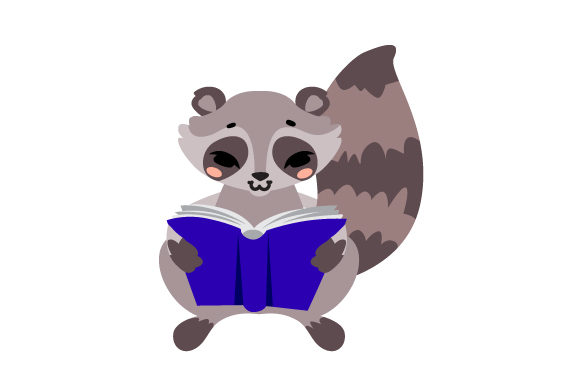
Racoon Reading Book: An Embroidery Design Review
As a designer who has stitched out thousands of files for both client commissions and my own shop inventory, I approach every new machine embroidery design with a healthy dose of skepticism. We have all downloaded files that look perfect on screen but turn into thread nests or distorted shapes once the needle hits the fabric. When evaluating the Racoon Reading Book design for potential use in real-world projects, my primary focus is not just on its whimsical charm, but on its structural integrity and versatility across different mediums.
This design falls squarely into the School Amp category, making it an obvious contender for back-to-school merchandise, library events, and literacy-themed gifts. However, as someone running a craft business, I need to know if this graphic can transcend seasonal trends and serve as a reliable staple for year-round sales. The provided formats—SVG, Transparent PNG, EPS, and DXF—suggest high versatility for both digital cutting and embroidery digitizing, but the true test lies in how these vector lines translate into stitch paths.
First Impressions and Visual Personality
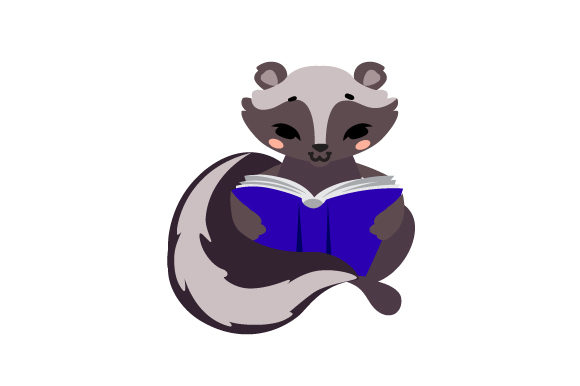
Upon opening the file, the Racoon Reading Book presents a distinct mood that balances playful curiosity with academic warmth. The composition is centered and compact, which is a significant advantage for embroidery projects. Many novelty designs suffer from awkward negative space or unbalanced weight distribution, but this raccoon appears grounded. The interaction between the character and the book creates a natural focal point, guiding the viewer’s eye without requiring excessive detail that might get lost in translation to thread.
For an Etsy seller or boutique owner, this visual personality is crucial. It does not look generic; it possesses a specific "handmade" aesthetic that resonates with buyers looking for unique personalized gifts rather than mass-produced apparel. The line work suggests opportunities for varied stitch types, potentially mixing satin stitch for outlines with fill stitch for the fur texture, allowing for a tactile finish that elevates the perceived value of the finished product.
Real-World Application: The Custom Sweatshirt Test
To truly evaluate this asset, I mentally placed it in a current best-seller scenario: a custom embroidered crewneck sweatshirt for a fall reading challenge. In this context, the Racoon Reading Book needs to perform on fleece-backed fabric, which presents unique challenges due to pile and stretch.
When planning this sweatshirt embroidery, I consider the scale. This design likely shines at a medium size, perhaps 4x4 or 5x7 inches, depending on the specific digitization. On a sweatshirt, the design acts as a centerpiece. If the stitch density is too high, the garment will become stiff and unwearable; if it is too low, the fleece texture will poke through, making the raccoon look patchy. As a reviewer, I would advise testing the stitch density specifically for knit fabrics before committing to a full production run. The goal is a soft hand-feel that maintains the integrity of the illustration.
Furthermore, this design lends itself beautifully to tote bag design applications. Canvas tote bags are a staple for teachers and librarians. Because canvas is a stable, woven fabric, it forgives higher stitch counts better than knits. Here, the Racoon Reading Book could be paired with a name or a short quote using running stitch lettering below the graphic, creating a cohesive custom apparel piece that feels professional yet artisanal.
Navigating Fabric Limitations and Hoop Constraints
While the design is versatile, experienced makers know that no file is universal. There are specific scenarios where I would exercise caution when deploying this digital embroidery file.
- Textured Fabrics: If you intend to stitch this on terry cloth towels or minky fabric for baby embroidery, the fine details of the raccoon's face or the book's pages may get swallowed by the fabric pile. In these cases, using a water-soluble topping is non-negotiable to keep the stitches crisp.
- Small Hoop Sizes: For those working with 4x4 hoops, verify the dimensions immediately. Shrinking a complex character design to fit a smaller area often results in overlapping stitches and registration issues. If the design relies on tiny facial features, reducing it below a certain threshold may render those details indistinguishable.
- Stretchy Performance Wear: While great for cotton and fleece, this design may be too dense for lightweight performance polyester. The contrast between the heavy embroidery and the thin, stretchy base fabric can cause tunneling or warping. Always pair with appropriate stabilizer choices, such as cut-away mesh for stretchy materials, to maintain shape.
- Curved Surfaces: Placing this on a cap or curved pocket requires careful positioning. The rectangular nature of a book combined with the organic shape of a raccoon can distort on a curved brim. Flat surfaces like pillow covers, aprons, or jacket backs are safer bets for maintaining geometric accuracy.
Commercial Viability and Brand Consistency
For creative entrepreneurs, the Racoon Reading Book is more than just a cute image; it is a potential revenue stream. Its inclusion in the Crafts category signals broad appeal, but its specificity makes it excellent for niche marketing. When listing items online, the clarity of your printable mockup matters immensely. Since this product includes a Transparent PNG, creating clean, professional mockups for your shop listings is streamlined. Buyers can instantly visualize the design on a shirt or bag without the distraction of a white background box.
However, a critical note for commercial embroidery users: always verify the licensing terms associated with your purchase. Just because you possess the SVG or EPS file does not automatically grant the right to sell finished goods or distribute the digital assets. Respecting intellectual property builds trust with your customer base and protects your business longevity. Assuming the license permits, this design is strong enough to anchor a collection of school supplies, nursery decor, or holiday gifts.
Essential Designer Notes for Success
Before you thread your needle or send this file to a production house, adhere to these practical checkpoints to ensure the Racoon Reading Book meets professional standards:
- Test Stitch is Mandatory: Never skip this step. Stitch the design on scrap fabric that matches your final project's weight and weave. Inspect the registration between color changes and check for any gaps in the outline.
- Evaluate Thread Contrast: Raccoons are typically grey, black, and white. On dark fabrics, ensure the black outline stitches do not disappear. You may need to adjust thread colors or add a white underlay to make the design pop against navy or charcoal garments.
- Check File Compatibility: While SVG, EPS, DXF, and PNG are standard vector and raster formats, confirm they convert correctly in your specific embroidery software. Vector files sometimes require manual node cleanup after conversion to prevent jagged edges in the stitch path.
- Assess Washability: If this is for children's clothing or kitchen linens, consider the longevity. Satin stitches can snag; fill stitches hold up better to frequent washing. If the design is overly detailed with delicate satin borders, it may be better suited for decorative pillows or wall hangings rather than everyday bibs or tea towels.
- Mockup Verification: Use the transparent PNG to test how the design looks on both light and dark backgrounds digitally before stitching. This helps determine if you need to offer multiple color variations for your customers.
The Racoon Reading Book offers a delightful intersection of thematic relevance and artistic potential. By approaching it with a technical mindset and respecting the nuances of fabric and stitch mechanics, you can transform this digital asset into a tangible, high-quality product that delights customers and strengthens your brand reputation. Whether you are crafting a one-of-a-kind gift or stocking your shop for the upcoming school season, thoughtful execution is what separates a hobbyist project from a professional masterpiece.