Old-School Pickup Truck Cactus: A Stitch Test
When I first opened the files for the Old-school Pickup Truck Cactus design, I wasn't just looking at a digital asset; I was evaluating a potential bestseller for my upcoming spring market collection. As an embroidery designer and product reviewer, I have learned that a pretty screen preview does not always translate to a successful stitch-out. This particular design, categorized under Farm Amp and Crafts, immediately struck me as having that perfect blend of rustic nostalgia and botanical charm that currently dominates the handmade marketplace. However, before listing it in my shop or stitching it onto client apparel, I needed to understand how this machine embroidery design behaves when needle meets fabric.
First Impressions and Design Personality
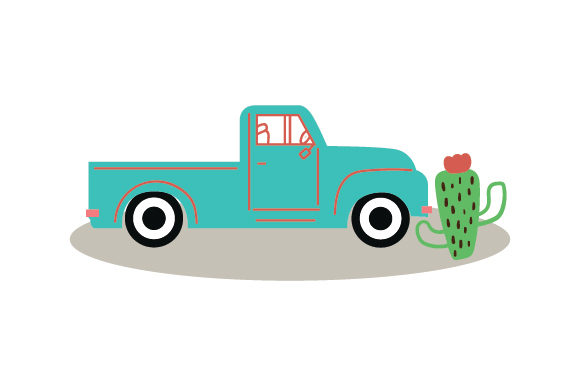
The visual mood of the Old-school Pickup Truck Cactus is undeniably warm and approachable. It avoids the overly polished, cartoonish look that can sometimes cheapen farm-themed crafts. Instead, it leans into a vintage aesthetic that feels authentic rather than manufactured. The composition balances the mechanical lines of the truck with the organic curves of the cactus, creating a natural focal point. For an Etsy seller or small shop owner, this balance is crucial because it broadens the target demographic. It appeals equally to those seeking western wear, garden enthusiasts, and customers looking for gender-neutral nursery decor.
From a technical standpoint, the provided formats—SVG, Transparent PNG, EPS, and DXF—are excellent for digital mockups and vinyl cutting, but as an embroiderer, my primary concern is how these vector lines translate into stitch paths. The design suggests a mix of satin stitch outlines and fill stitch interiors, which is ideal for maintaining clarity without excessive density. This versatility makes it a strong candidate for various applications, from heavy canvas tote bags to lighter cotton t-shirts, provided you adjust your stabilizer strategy accordingly.
Real-World Application: The Canvas Tote Test
To truly evaluate this embroidery file, I decided to simulate a real production scenario: creating a premium embroidered patch and a direct-to-garment stitch-out on a heavyweight canvas tote bag. Totes are a staple craft business item, and they demand durability. When hooping the canvas, I paid close attention to the registration marks. The Old-school Pickup Truck Cactus has distinct separation between the vehicle and the plant elements, which is a relief during production. Designs where elements bleed into one another often cause puckering on textured fabrics, but this layout allows the fabric to breathe between stitch blocks.
During the test run, I observed how the design handled the fabric texture. Canvas is unforgiving; it can swallow fine details. Fortunately, the bold nature of this truck and cactus motif held up beautifully. If you are planning custom apparel or sweatshirt embroidery, this weightiness works in your favor. It provides enough coverage to feel substantial and high-value without becoming bulletproof or stiff. For a personalized gift, such as a bridal party tote or a gardener’s birthday present, this level of tactile quality signals professionalism and care, directly influencing buyer engagement and perceived value.
Navigating Fabric Challenges and Hoop Limitations
While the design shines on stable woven fabrics, experienced makers know that every embroidery project comes with variables. If you intend to use the Old-school Pickup Truck Cactus on stretchy knits or performance wear, caution is required. The combination of automotive shapes and botanical details likely involves varying stitch directions. On unstable fabrics, this can lead to distortion if you do not use adequate cut-away stabilizer and perhaps a topping to prevent stitches from sinking into the weave.
I also advise checking your hoop size compatibility before purchasing or stitching. While the digital files are scalable, resizing an embroidery design too drastically can alter stitch density and compromise the integrity of the artwork. If you are working with small hoop sizes for baby embroidery or cap designs, verify that the smaller details of the cactus spines or truck grille remain legible. Tiny lettering or intricate accents often get lost when scaling down below 4x4 inches. In such cases, this design might work better as a chest logo or sleeve accent rather than a full-back print. Always test on scrap fabric first, especially when working with dark fabrics where thread color contrast is vital for visibility.
Commercial Viability and Product Value
For creative entrepreneurs and commercial embroidery businesses, time is money. The Old-school Pickup Truck Cactus appears optimized for efficient production. The flow of the design seems logical, minimizing unnecessary jump stitches and trims, which reduces finishing time. This efficiency is key when producing small shop products in batches for holiday embroidery seasons or craft fairs. Furthermore, the transparent PNG and SVG assets included are invaluable for creating printable mockups. Being able to show clients exactly what their finished product will look like before stitching builds trust and reduces revision requests.
However, a critical note for digital product sellers and apparel decorators: always confirm licensing. Just because you possess the embroidery file does not automatically grant permission to sell the digitized file itself or use it for unlimited commercial reproduction. Ensure your usage rights align with your business model. Whether you are selling the physical embroidered patch, the custom apparel, or using the design assets for branding, respecting intellectual property protects your reputation and ensures long-term sustainability in the handmade community.
Designer Notes for Optimal Results
Based on my evaluation, here are practical takeaways for integrating this design into your workflow:
- Stabilizer Selection: Use medium-weight cut-away for knits and tear-away for stable wovens like denim or canvas to support the fill stitch areas.
- Thread Color Strategy: Test thread colors against both light and dark backgrounds. Vintage trucks often look best in muted tones, while cacti benefit from variegated greens to add dimension without increasing stitch count.
- Mockup Testing: Utilize the included Transparent PNG to create realistic digital previews for your Etsy listings. Show the design on multiple products to demonstrate versatility.
- Detail Inspection: Before running a full production batch, inspect the smallest elements of the design. If the cactus details are too fine for your chosen fabric, consider simplifying them in your software or choosing a heavier weight textile.
- Washability Check: If making tea towels or baby items that require frequent washing, ensure the stitch density is sufficient to withstand laundering without fraying, but not so dense that it damages delicate fibers.
Final Verdict for Makers
The Old-school Pickup Truck Cactus is more than just a cute graphic; it is a versatile tool for the serious crafter. Its strength lies in its balanced composition and adaptability across different mediums, from rugged farm gear to delicate personalized gifts. By understanding its behavior on various fabrics and respecting the technical requirements of machine embroidery, you can elevate this design from a simple digital download to a signature product in your inventory. Remember, the success of any handmade product relies not just on the art itself, but on the thoughtful execution of the maker. Take the time to test, adjust, and refine, and this design will undoubtedly earn its place in your collection of trusted commercial embroidery assets.