Shoe Vector Illustration: A Designer’s Real-World Review
First Impressions: A Simple, Stylish Design with Broad Appeal
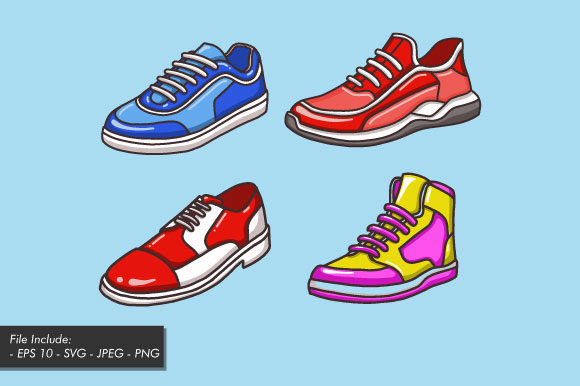
The Shoe Vector Illustration immediately strikes me as a clean, modern graphic with a playful yet professional edge. The flat color, hand-drawn style gives it a friendly, approachable feel—perfect for a variety of themes from school projects to boutique fashion. It’s not overly detailed, which is a plus when considering embroidery translation. The design has a clear silhouette and well-defined lines, making it ideal for both machine embroidery and digital mockups.
As a designer, I appreciate how versatile this illustration looks. It doesn’t scream “kids only” or “formal wear exclusively.” Instead, it walks a balanced line that could appeal to a wide demographic—from trendy tote bags to embroidered baby shoes or even custom patches for a boutique brand.
Real-World Use: From Concept to Stitched Reality
Let’s say I’m preparing a line of personalized tote bags for a back-to-school collection. The Shoe Vector Illustration could be scaled to fit a medium hoop size and stitched cleanly on cotton canvas. Its flat color style means fewer color changes and less thread waste, which is a practical win for small batch production.
I also tested the design in a hypothetical sweatshirt embroidery scenario. The minimal detail holds up well when resized, and the hand-drawn aesthetic softens the overall look on heavier fabrics. It would pair nicely with a monogram or name underneath for a personalized touch that still feels professional.
For baby items like onesies or bibs, the Shoe Vector Illustration’s simplicity is a benefit. It avoids being too busy, which is great for small garments with limited embroidery space. On a pillow cover or tea towel, the design reads clearly even from a distance, making it suitable for nursery decor or holiday-themed home goods.
Commercial Potential: Etsy, Craft Fairs, and Small Shop Appeal
This design has strong commercial embroidery potential. As an Etsy seller or craft entrepreneur, you could easily integrate the Shoe Vector Illustration into multiple product lines. Think embroidered patches for resale, personalized gifts for birthdays or baby showers, or even seasonal items like holiday stockings with a tiny shoe accent.
The hand-drawn charm makes it feel handmade even when machine-stitched, which is key for maintaining that artisanal look buyers love. It also lends itself well to branding—if you’re building a boutique line around footwear or children’s fashion, this illustration can become a consistent visual motif across your product range.
Where to Use It Carefully: Fabric, Fit, and Finishing Considerations
While the Shoe Vector Illustration performs well in most scenarios, there are a few areas where extra care is needed. On stretchy or thin fabrics like baby rib knit, stabilizer selection becomes crucial. Without the right backing, the satin-stitched outlines could pucker or distort the garment.
Dark fabrics may require a white underlay or a light-colored version of the design to ensure visibility. If you’re planning to stitch this on a curved surface like a baseball cap, test the hoop placement and stitch density to avoid distortion or uneven coverage.
Also, be mindful of small hoop limitations. If the design includes any fine lines or small text (which it currently doesn’t), those could get lost in tighter embroidery areas. Always check the design’s stitch count and file compatibility before starting a production run.
Visual Impact and Customer Perception
One of the strongest aspects of this illustration is its clarity. It’s instantly recognizable as a shoe, which is important for embroidered products where detail can get lost in stitching. This makes it a solid choice for embroidered patches, gift items, or branded merchandise where quick visual recognition matters.
From a customer’s perspective, the design reads as both modern and thoughtful. It’s not generic—it has a unique character that stands out from mass-produced clip art. That’s a big plus for creative entrepreneurs trying to build trust and perceived value in their handmade or personalized products.
Designer Notes: Practical Tips Before You Stitch
Before using the Shoe Vector Illustration in any project, here are a few practical checks I recommend:
- Test on scrap fabric: Especially if you’re using a new stabilizer or fabric type.
- Check thread color contrast: Make sure the colors pop on both light and dark backgrounds.
- Review stitch density: Avoid overly tight fills that could pucker delicate fabrics.
- Confirm hoop size: Ensure the design fits within your machine’s capabilities.
- Inspect small details: Zoom in on the vector file to make sure corners and outlines are crisp.
- Test in black and white mockups: Helps assess clarity and contrast without color distractions.
- Compare light and dark fabric backgrounds: Some designs lose definition on darker tones.
- Use proper stabilizer: Especially important for stretchy or textured materials.
- Check licensing: Confirm whether the design is cleared for both personal and commercial use before selling finished items or digital bundles.
Final Thoughts: A Solid Choice for Versatile Embroidery Projects
Overall, the Shoe Vector Illustration is a well-balanced design that bridges the gap between artistic flair and practical usability. It’s clean enough for small projects and bold enough for larger embroidered items. Whether you're an embroidery designer, small business owner, or Etsy seller, this illustration offers flexibility and visual appeal without overcomplicating the stitching process.
It’s the kind of design that can grow with your creative business—used in baby items today, holiday gifts next season, and boutique apparel the next. As long as you test it thoughtfully and match it to the right fabric and product type, the Shoe Vector Illustration will likely become a go-to asset in your design toolkit.